
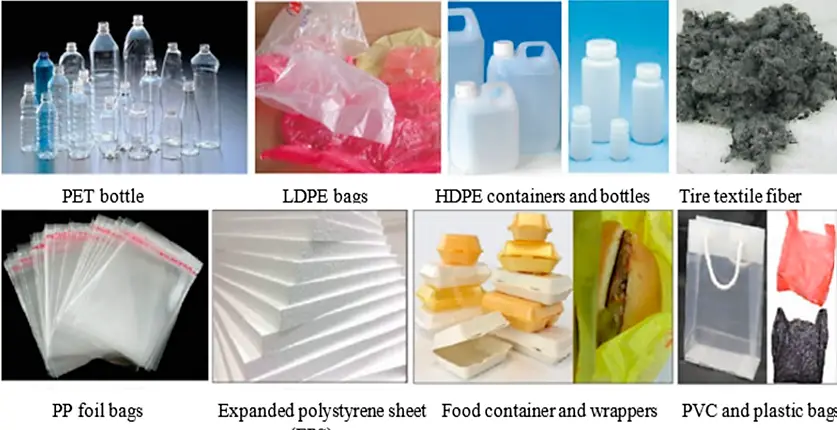
What if advancements in electronics, fabrics, and even health could result from something equally common as a plastic bottle? Working with a new type of PET fibre in the lab allowed me to precisely investigate that. I’ll give you an inside look at my project in this blog and address some frequently asked (and less frequently asked) questions about what makes this fibre unique.
PET fibre: what is it? PET, or polyethylene terephthalate, is a kind of plastic that is most likely found in food packaging and water bottles. However, PET becomes robust, lightweight, and extremely valuable in materials science when it is stretched into thin fibres.
Then why use PET in the laboratory? It’s just plastic, isn’t it? I’m here to respond to this important question if you’re thinking about it. PET is plastic, but it’s not your typical plastic. PET fibres can be carefully developed to become chemically stable, heat-resistant, and even biodegradable in some situations. In order to improve PET fibres’ performance and make them appropriate for high-tech applications beyond fabric and packaging, my objective in the lab was to alter their structure. You may be wondering What exactly was involved in my lab work? Consider it similar to a cookery experiment, only that molecules are used in place of ingredients.
The PET fibre behaved differently depending on whether it was softer, more elastic, or more durable. I worked with melt spinning techniques to make the fibre, heat treatments to manage crystallinity, and additives to improve strength, stretchability, or conductivity.
We shall now talk about What about my PET fibre was new? The exciting part is here: I was able to create a PET fibre that exhibits increased mechanical strength without sacrificing flexibility, which is uncommon. Additionally, it demonstrated improved thermal stability, making it suitable for usage in hotter settings such as protective textiles or wearable electronics.
The applications of this polymer is numerous like in Intelligent textiles that react to changes in temperature or motion, environmentally friendly packaging that is more durable but recyclable, Biocompatible materials and even electronic components, when paired with conductive materials, are necessary for medical devices.
Now talking about the learning part: I learnt how small chemical changes can affect performance in the real world, how important it is to test and retetest, and that materials we consider simple can have a lot of promise.
My Concluding Remarks on I learnt from this experience with PET fibre that even commonplace materials can have unexpected properties. With the correct lab equipment and a new perspective, we can uncover new opportunities for the future.
Now keep in mind that plastic bottles are more than simply waste the next time you see them. It might be the beginning of materials science’s next great thing.
https://www.mdpi.com/2073-4360/15/15/3320
